
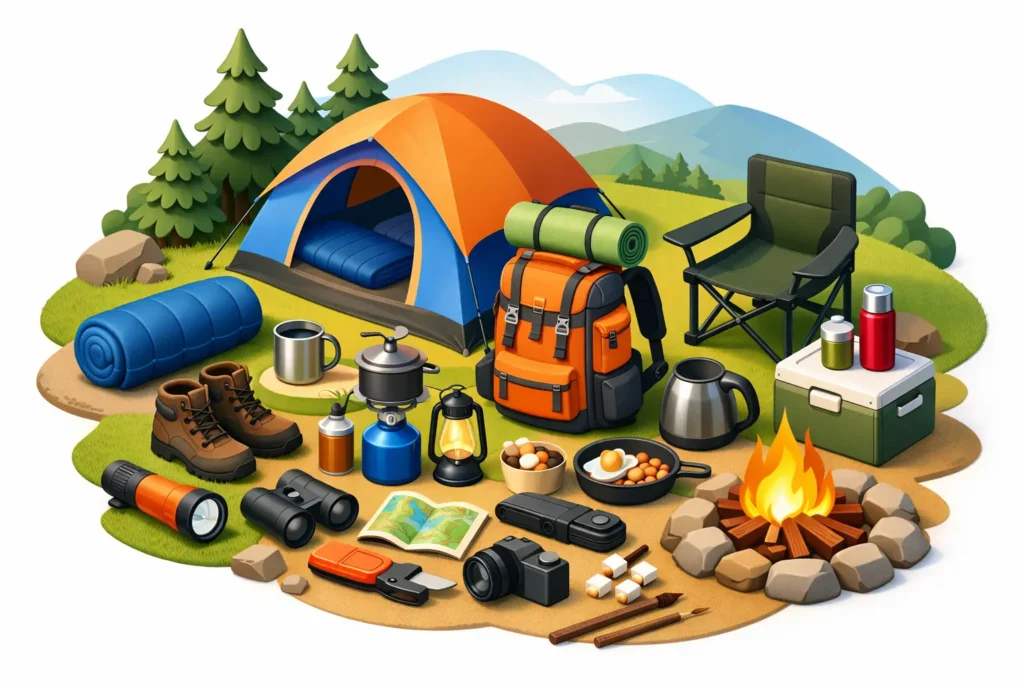
A tent camping trip usually goes one of two ways. You either settle in fast, get the fire going, and spend your time enjoying the water, trails, and fresh air – or you spend the first evening realizing you forgot something basic. If you’re figuring out what to bring tent camping, the goal is simple: pack the gear that keeps you dry, fed, comfortable, and ready for the kind of outdoor time you actually came for.
The right packing list depends on the season, the campground, and how you plan to spend your time. A quick overnight with nearby amenities is different from a long weekend built around fishing, boating, or trail riding. Still, the core gear stays the same. Start with the essentials, then add the extras that match your trip.
What to Bring Tent Camping First: Shelter and Sleep
Your tent setup matters more than almost anything else. If your shelter leaks, shifts in the wind, or doesn’t fit your group properly, the rest of the trip feels longer. Bring a tent that comfortably fits your campers and gear, not one that only works on paper. A four-person tent for four adults usually feels tight once bags and cooler space are involved.
Along with the tent itself, pack stakes, guylines, and a mallet if the ground tends to be firm. A ground tarp or footprint helps protect the tent floor from wear and moisture, but it should fit under the tent rather than stick out past the edges where rain can collect. It sounds minor until the weather turns.
Your sleep setup is the next make-or-break piece. A sleeping bag rated for the conditions is the starting point, but don’t ignore what goes under you. Sleeping pads, cots, or air mattresses add comfort and insulation. Cold ground pulls heat fast, even on nights that don’t seem especially chilly.
Bring a pillow if you have room. It may not sound essential, but a decent night’s sleep changes the whole tone of a camping trip, especially if you want early mornings on the water or full days outside.
Clothing That Works at the Campsite
People often underpack clothing for tent camping because they picture sunny afternoons and forget about damp mornings, lake breezes, and temperature swings after dark. Pack in layers and think practical, not just comfortable.
A good base includes moisture-wicking shirts, extra socks, underwear, durable pants or shorts, and a warm layer for evening. A rain jacket deserves space in almost every bag, even if the forecast looks good. Wet clothes are more than annoying when you’re tent camping. They can make it hard to sleep, hard to warm up, and hard to enjoy the trip.
Footwear depends on your plans. If you’ll be moving between the campsite, shoreline, and trails, bring shoes that can handle dirt and uneven ground. A second pair helps if one gets soaked. For families, extra socks often do more good than extra outfits.
If you’re camping near open water or spending time in sunny areas, don’t forget a hat and clothes with some sun coverage. A warm hoodie or insulated layer is worth packing even in summer because nights near the water can cool down quickly.
Camp Kitchen Basics You Will Actually Use
You do not need a full outdoor kitchen to eat well at camp, but you do need the basics to avoid frustration. The easiest approach is to plan meals before you pack. That tells you exactly what cookware, fuel, and utensils you need instead of tossing random gear into a bin.
For most tent campers, a camp stove, lighter or waterproof matches, cooler with ice, and a few pots or pans cover the essentials. Add plates, cups, utensils, a cutting board, and a sharp knife. If you drink coffee, pack the setup you actually use at home, whether that’s a kettle, press, or simple camp brewer. Morning coffee is one of those small things that matters a lot at a campsite.
Bring more water than you think you’ll need unless you’re certain potable water is available on-site. Even at well-equipped campgrounds, having your own supply at camp makes cooking and cleanup easier. Dish soap, a sponge, paper towels, trash bags, and a small wash basin make a big difference when it’s time to clean up.
Food storage matters too. Keep dry goods in sealed bins, and don’t leave ingredients spread around the picnic table. It keeps the site organized and protects your food from weather and wildlife.
Lighting, Power, and the Small Gear That Saves the Trip
When people ask what to bring tent camping, this is often the category that gets forgotten. Then sunset hits.
Pack at least two reliable light sources for camp. A lantern works well for the picnic table and tent area, while headlamps make setup, cooking, and late-night walks much easier. Flashlights are fine, but headlamps leave your hands free, which you notice fast when you’re trying to unzip a tent or carry gear in the dark.
Extra batteries should come with anything battery-powered. Portable power banks are useful too, especially if you’re using your phone for weather updates, maps, or photos. That said, tent camping goes better when you don’t build your whole setup around charging devices. Keep power simple and focused on what you actually need.
A few small items earn their place every time: duct tape, a multi-tool, zip ties, and a basic repair kit for air mattresses, tents, or chairs. None of it is exciting, but it can save a trip from turning into a hassle.
Personal Items and Safety Gear
The practical side of camping is what keeps the fun part easy. Toiletries, medications, sunscreen, bug spray, and a first aid kit should all be packed before the extras. If anyone in your group has allergies, prescription needs, or specific medical concerns, keep those items accessible rather than buried deep in a tote.
A basic first aid kit should cover cuts, blisters, headaches, minor burns, and insect bites. If your plans include boating, fishing, or more active recreation, tailor your kit accordingly. The same goes for personal hygiene. Toilet paper, hand sanitizer, biodegradable wipes, and quick-dry towels are useful even when campground facilities are nearby.
Weather awareness matters too. Bring gear for the conditions you might get, not just the conditions you hope for. A tarp or pop-up shelter can add welcome coverage during rain or strong sun, but it depends on your vehicle space and the length of your stay. For a one-night trip, that extra setup may not be worth it. For a multi-day stay, it often is.
What to Bring Tent Camping for Comfort
Once the essentials are covered, comfort items are where you tailor the trip. Camp chairs are worth bringing almost every time. A folding table can help if your site has limited prep space. If you’re staying for more than a night or two, organization bins keep gear from taking over the tent and campsite.
For families, a few familiar comforts go a long way. Extra blankets, easy snacks, and simple games can make downtime smoother. For anglers or outdoor-focused campers, the comfort extras may look different – rod storage, tackle organization, dry bags, or a better cooler might matter more than decorative camp gear.
This is where experience matters. Pack for how you actually camp, not for an idealized version of camping. If you know your group likes simple meals and long days outside, build around that. If comfort is what keeps everyone happy and coming back, give it proper weight.
Activity-Specific Gear Matters
A tent camping checklist gets better when it reflects the reason you’re going. If your trip centers on fishing, bring your licenses, tackle, bait storage, pliers, and weather-ready layers for early starts. If the plan includes boating, keep personal flotation devices, dry storage, and change-of-clothes options in mind. If you’ll be exploring trails or using nearby ATV access, that changes your footwear, gloves, hydration, and day gear.
This is especially true at recreation-focused campgrounds where your campsite is only part of the experience. At a place like Maitland Shores, many campers are not showing up just to sit around a fire all weekend. They’re planning for water access, fishing time, and full days outdoors, so packing should match that pace.
Pack Smarter, Not Heavier
Overpacking is common, but underpacking the essentials is what causes problems. The best approach is to cover shelter, sleep, food, clothing, lighting, and safety first, then add the gear that fits your plans. If an item solves a real problem, bring it. If it just sounds nice but adds clutter, leave it behind.
Tent camping is usually better when your site stays organized and your gear works without a lot of fuss. A little planning upfront means less time searching for a flashlight, improvising meals, or dealing with wet bedding after dark. It also means more time doing what you came to do, whether that’s fishing at sunrise, getting out on the water, or just enjoying a quiet night at camp.
If you’re unsure what to pack, think in terms of conditions, not just categories. Ask yourself what keeps you dry, warm, fed, and ready for the activities you planned. That’s usually the gear worth bringing.