What makes a campground one of the best campgrounds in America?
A great campground fits the camper as much as the landscape. For one traveler, “best” means full RV hookups, reliable showers, and a dog-friendly walking area. For another, it means a shaded tent pad, a fire ring, dark skies, and enough quiet to hear the creek at night.
The best campgrounds in America usually share a few practical qualities: clear rules, well-maintained sites, helpful staff, sensible reservation policies, and amenities that match the setting. A lakeside campground may shine because of paddle access and swimming areas, while a mountain campground may stand out for trailheads and scenic overlooks. The goal is not to find the most luxurious campground; it is to find the one that supports the trip you actually want.
Thousand Trails campgrounds and why campers consider them
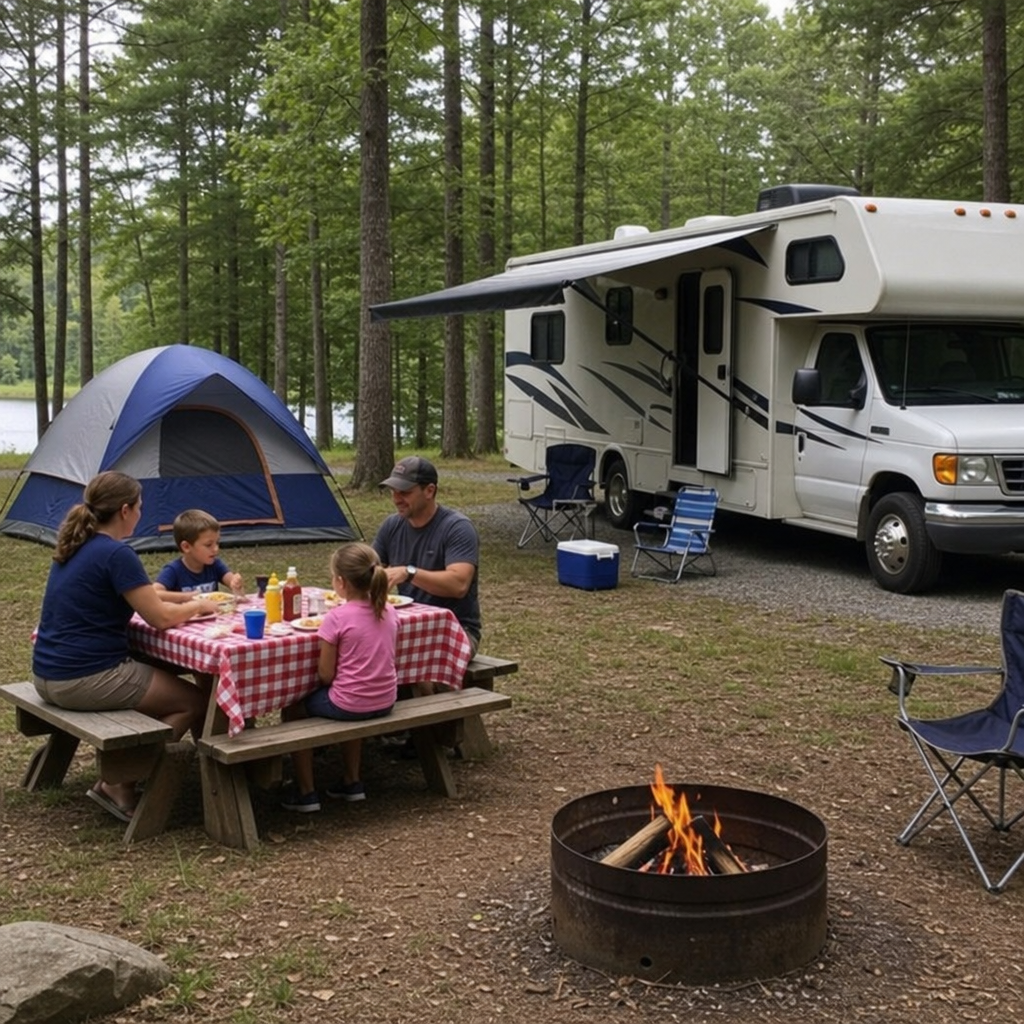
Thousand Trails campgrounds are popular with campers who want a network-style camping experience rather than booking every trip from scratch at unrelated properties. Many locations are designed with RV travelers in mind, though accommodations and amenities can vary by park. Depending on the location, campers may find RV sites, tent-friendly areas, cabins, yurts, activity spaces, laundry facilities, pools, clubhouses, or planned recreation.
What makes this type of campground appealing is predictability. Families, retirees, full-time RVers, and weekend travelers often like knowing there is a recognizable system behind the stay. Still, every location has its own layout, availability, seasonal conditions, and rules, so it is smart to read current details before reserving.
Common Thousand Trails-style planning points include:
- Stay limits: Many parks use limits such as a 14-day stay within a 28-day period, though terms can depend on the location and reservation type.
- Site occupancy: A common cap is six people per site, which matters for family trips and group weekends.
- Vehicles and tents: A site may allow one passenger vehicle with two tents, or one RV/tow setup plus a tent if space allows. Extra vehicles may need to park in designated areas.
- Group reservations: Multiple sites may require a primary occupant for each site, so one person cannot always informally “hold” every spot.
- Discounts: Senior or state pass discounts may apply in some cases, but cabins and yurts are often excluded.
These details may sound small, but they affect real trips. If you arrive with two cars, an extra tent, and seven people for one site, you could face parking issues, added costs, or the need to change plans.
How should you compare campground reviews before booking?
Campground reviews are most useful when you read them for patterns, not drama. One unhappy review may reflect bad weather, a noisy neighbor, or a mismatched expectation. Ten reviews mentioning tight RV turns, weak shade, clean bathrooms, or friendly staff tell you something more dependable.
Look for reviews from campers who travel like you. If you have a 40-foot RV, tent camper feedback will not answer your biggest questions. If you are bringing kids, comments about playgrounds, pool rules, road safety, and weekend activities may matter more than whether the Wi-Fi is fast.
When reading campground reviews, focus on practical signals:
- Site fit and access Check whether reviewers mention level pads, pull-through sites, low branches, narrow roads, or long walks to restrooms.
- Cleanliness and maintenance Repeated comments about bathrooms, trash areas, laundry rooms, and hookups help you understand day-to-day comfort.
- Noise and atmosphere Some campgrounds are social and activity-heavy. Others are quiet and nature-focused. Neither is wrong, but the wrong match can ruin the mood.
- Pet experience Dog owners should look for notes about pet areas, leash rules, breed restrictions, and whether nearby trails allow dogs.
- Reservation accuracy Watch for comments about site assignments, check-in clarity, cancellation experiences, and whether listed amenities were actually available.
Searching terms like “campgrounds near me,” “best campgrounds near me,” or even “camp grounds” can bring up plenty of options, but reviews help you narrow the list from available to suitable.
Campground types for different camping styles
The phrase “campgrounds campgrounds” may look like a search typo, but it reflects a real planning problem: there are many campground types, and they are not interchangeable. A rustic public campground, an RV resort, and a private cabin campground can all be excellent, but each serves a different kind of trip.
RV-focused campgrounds
RV travelers often prioritize hookups, dump stations, road width, turning space, and site length. Pull-through sites are helpful for larger rigs or overnight stops, while back-in sites may offer better privacy or views. If you need full hookups, confirm water, electric, and sewer rather than assuming every RV site includes all three.
Tent camping sites
Tent campers usually care most about shade, drainage, privacy, restroom distance, and whether the site has a flat pad. A beautiful site can become uncomfortable if it floods after rain or sits beside a busy campground road. Fire rings, picnic tables, bear-safe storage, and potable water access can also shape the experience.
Cabins, yurts, and glamping options
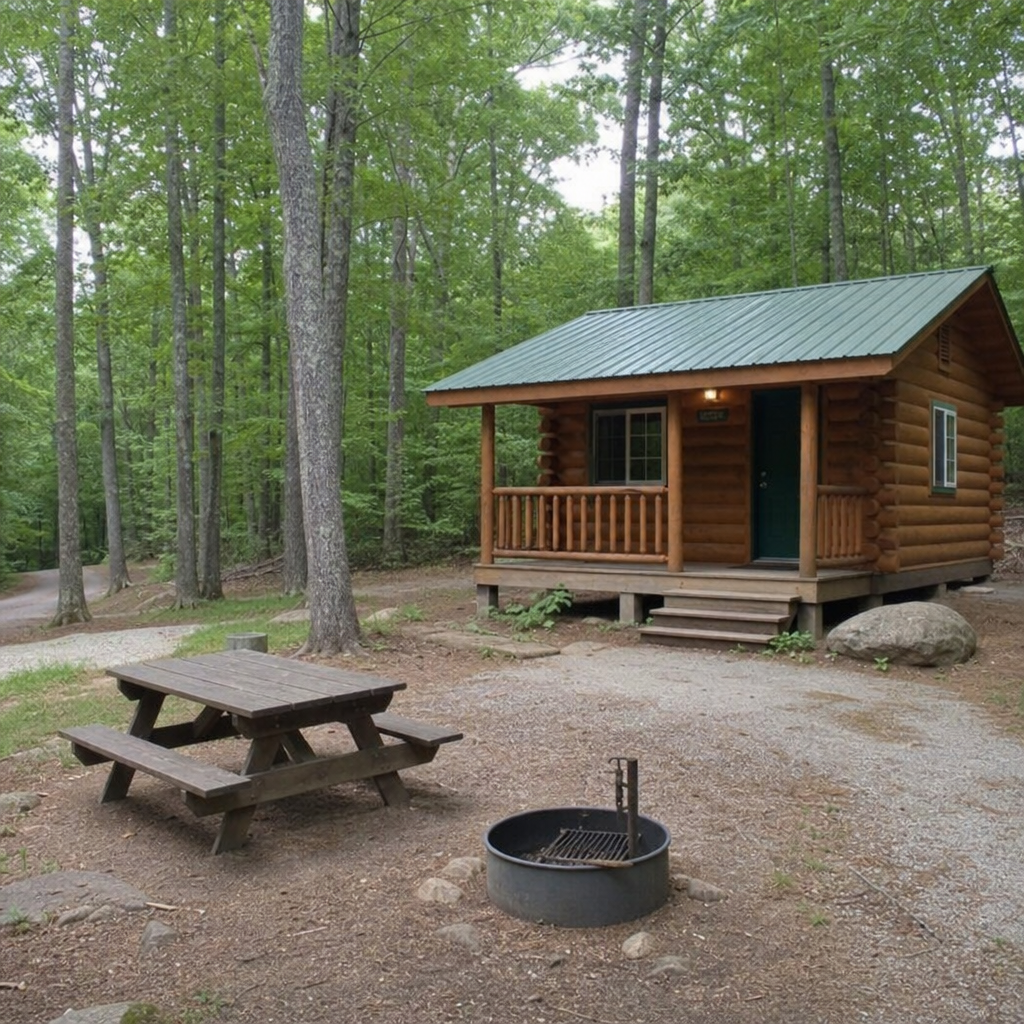
If you search “campgrounds with cabins near me,” you are probably looking for the outdoors without buying a full camping setup. Cabins and yurts are great for new campers, mixed-comfort families, and shoulder-season trips when tent camping may be less appealing. Always check what is included, because some cabins are basic shelters while others include bathrooms, kitchenettes, heat, or linens.
Backcountry, paddle-in, and group sites
For experienced campers, backcountry and paddle-in sites offer space, solitude, and a stronger connection to nature. Group sites work well for reunions, scout-style outings, and multi-family trips, but they usually require earlier planning. These sites may have fewer amenities, so preparation matters more.
Reservation and cancellation details that protect your budget
Reservation rules are not the exciting part of camping, but they can save you from losing money. Many campground systems, including Thousand Trails-style parks, use cancellation windows that determine how much of your fee is retained. Some policies may keep 25%, 50%, or even 100% depending on how close the cancellation is to arrival, while a short grace period after booking may allow changes without the same penalty.
Before you reserve, read the policy for the exact park and accommodation type. Cabins, yurts, holiday weekends, and special-event periods can have stricter rules than standard campsites. No-show policies are especially important; failing to cancel properly may cost more than changing plans early.
A simple pre-booking checklist can help:
- Confirm arrival and departure dates before payment.
- Check the cancellation deadline and any grace period.
- Review whether fees differ for tent sites, RV sites, cabins, or yurts.
- Confirm maximum occupancy, vehicle limits, and pet rules.
- Save the confirmation email and campground phone number.
- If booking multiple sites, assign a primary occupant to each one.
Peak weekends, school breaks, and holiday periods book quickly. If your plans are firm, reserve early. If your plans are uncertain, choose a campground with rules you can live with if something changes.
Finding year-round and nearby campgrounds
Searches like “year round campgrounds near me” are common because not every campground stays open in every season. Weather, staffing, road access, water systems, and local demand can all affect availability. A campground that is perfect in July may have limited services in winter, even if some sites remain open.
When looking for year-round options, pay close attention to what “open” actually means. The campground may accept RVs but shut off water at individual sites. Restrooms, showers, dump stations, pools, camp stores, or recreation areas may operate seasonally. If you are traveling in colder months, call ahead and ask direct questions.
For nearby options, use search terms based on your real needs:
- “Campgrounds near me” for the broadest list.
- “Best campgrounds near me” for popular or highly reviewed options.
- “Campgrounds with cabins near me” for comfort-focused stays.
- “Year round campgrounds near me” for off-season travel.
- “RV campgrounds near me” if hookup access and rig size matter.
- “Tent camping sites near me” if you want a more traditional setup.
Once you have a shortlist, compare distance, site type, cancellation flexibility, pet rules, and recent reviews. The closest campground is not always the best choice if it does not fit your equipment or group.
Public parks, private campgrounds, and membership networks
Public campgrounds, private parks, and membership networks each have strengths. State and national park campgrounds often offer memorable scenery, trail access, and a more nature-centered feel. They may also have simpler sites, fewer hookups, and high demand during peak season.
Private campgrounds can offer more amenities, such as pools, playgrounds, laundry, planned activities, cabins, and convenience stores. They may be easier for families who want entertainment built into the stay. Membership networks such as Thousand Trails campgrounds can appeal to frequent campers who value access to multiple locations and a consistent reservation experience.
There is also a different category of searcher looking for “campgrounds for sale.” That is not the same as planning a weekend trip, but it shows how broad the campground world has become. Some people camp for recreation, some travel full-time, and others explore campground ownership as a business opportunity. If you are only planning a stay, avoid being distracted by ownership listings and focus on guest-facing campground pages.
Practical tips for a smoother camping trip
The best campground experience often comes down to preparation. Even highly rated campgrounds can feel stressful if your site is too small, your dog is not allowed in key areas, or you miss the check-in window.
Use these tips before you go:
- Match the site to your gear. Measure your RV, count tents, and confirm whether slide-outs, awnings, or tow vehicles fit.
- Read the rules, not just the amenities. Pools, pets, fires, generators, and quiet hours often have specific limits.
- Arrive with a backup plan. Bring leveling blocks, extension cords, extra water, and weather-appropriate layers.
- Ask about special features. Some campgrounds have waterfront sites, accessible cabins, group pavilions, dog parks, or seasonal activities that are not obvious at first glance.
- Plan food and supplies realistically. Remote campgrounds may be beautiful but far from groceries, fuel, or medical services.
- Respect the campground community. Keep noise down, control pets, follow parking rules, and leave the site clean for the next camper.
The best campground is the one that fits your trip
Exploring the best campgrounds in America is less about chasing one universal ranking and more about choosing well for your travel style. Thousand Trails campgrounds, public parks, private RV resorts, cabin campgrounds, and remote camping sites can all deliver memorable stays when the details match your needs.
Start with the experience you want, then work backward through location, site type, amenities, rules, reviews, and cancellation terms. Whether you are searching for campgrounds near me for a quick weekend or planning a cross-country route, a little extra research can turn a decent campsite into the right one.